The Under-Eye Filler Regret: Why Less Is Often More
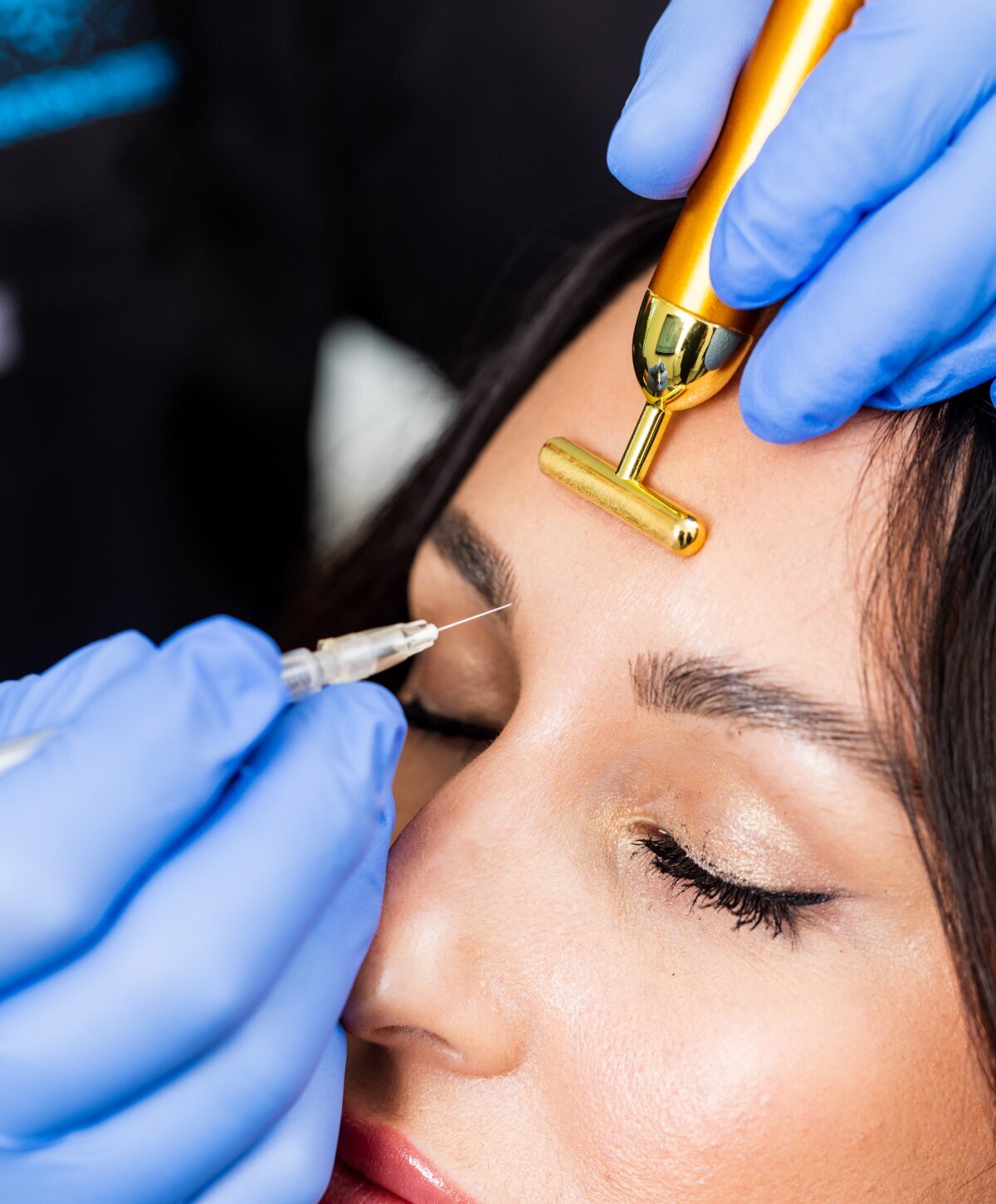
Under-eye filler and cheek filler can create beautiful results—but when it comes to facial filler, more is not always better.
Filler has transformed the way we approach facial rejuvenation.
Used thoughtfully, it can restore lost volume, soften certain facial contours, and create subtle improvements without surgery. But as injectable treatments have become increasingly popular, there is also a growing tendency to believe that if a little filler looks good, more must look even better.
That isn't necessarily the case.
In fact, when it comes to areas such as the cheeks and under-eyes, adding too much volume can eventually create an appearance that is heavier, puffier, or simply unlike the patient's natural face.
And sometimes, patients who initially wanted more volume eventually find themselves in a surgeon's office asking for something very different:
“Can we dissolve it?”
When It Comes to Filler, Less Can Be More
One of the most important principles of facial aesthetics is that every patient's anatomy is different.
There is no universal number of syringes that is appropriate for everyone. Age, bone structure, facial proportions, skin quality, existing volume, weight, and how a person's face changes over time all play a role.
This is especially important when treating the cheeks.
Cheek filler can create beautiful definition and restore volume when it is appropriately placed. But progressively adding more filler over multiple appointments can eventually change the overall proportions of the face.
A patient may love the first treatment.
Then add another syringe.
Then another.
And eventually look in the mirror and wonder:
“When did I stop looking like myself?”
One Patient's Experience: “Less Is Definitely More”
At the Optimization Centre, we believe patient experiences can provide an important perspective on aesthetic treatments.
One of our surgical patients, Devin M., originally wanted more prominent cheekbones.
She started conservatively with two syringes total and loved the result.
Over time, however, she decided to add more.
Eventually, she had four syringes of cheek filler.
After losing weight, the change in her facial proportions became even more noticeable.
As Devin described her experience:
“I went to an injector and wanted a high cheekbone. I started with 2 syringes and it looked beautiful. Then I ended up in total with 4 syringes over time, and when I lost weight, I ended up looking like Maleficent. Your body fluctuates; I ended up looking sunken in and just not like myself. I went to Dr. Albert to dissolve the filler and am starting to look like myself again. Less is definitely more, I regret doing anymore than 2.”
Devin's experience is a great example of why facial filler should be approached conservatively.
Her anatomy is unique to her, and another patient's appropriate amount of filler may be completely different.
But her story also illustrates something important:
Your face doesn't stay exactly the same.
Weight changes. Aging changes. Skin changes. Facial fat changes.
What looks balanced at one point in your life may not look the same several years later.
That is why our goal should never be to see how much volume we can add.
The goal is to achieve the right amount of correction while preserving the patient's natural facial character.
The Under-Eye Is an Especially Unforgiving Area
If there is one area where the “more is better” mentality can become particularly problematic, it is the under-eye.
The lower eyelid has extremely thin skin and complex anatomy. Filler placed in this area can sometimes produce persistent swelling, puffiness, contour irregularities, discoloration, or migration.
A systematic review of delayed complications following tear-trough filler identified swelling as the most frequently reported delayed complication, along with nodules, migration, and discoloration.
This can be particularly frustrating because most people aren't getting under-eye filler because they want their eyes to look fuller.
They're usually trying to look:
- More rested
- Less tired
- Brighter
- Younger
- Less hollow
If the treatment creates visible fullness or swelling, the result can be the opposite of what the patient wanted.
Not Every Under-Eye Concern Is a Filler Problem
This may be the most important part of the conversation.
When a patient says, “I don't like my under-eyes,” that doesn't automatically mean they need filler.
There are many different reasons the under-eye can appear aged or tired.
A patient's primary concern might be:
Hollowness.
Fine lines.
Loose skin.
Darkness or pigmentation.
Prominent lower-eyelid fat pads.
A combination of several of these.
And each concern may require a completely different approach.
Instead of asking:
“What filler should we use?”
A better question may be:
“What is actually causing the under-eye to look this way?”
Alternatives to Under-Eye Filler
Depending on a patient's anatomy and primary concern, there are several non-filler and surgical options that may be worth considering.
PRF for Under-Eye Hollowness and Skin Quality
For patients concerned about thin, crepey skin and an overall hollow or tired appearance, PRF (platelet-rich fibrin) may be considered as part of a skin-rejuvenation treatment plan.
Rather than simply adding volume, PRF uses components derived from the patient's own blood to support the skin's regenerative processes.
PRF may be particularly appealing to patients who want to improve the quality and appearance of the skin rather than simply adding another substance beneath the eye.
It isn't a replacement for filler in every patient, but it can be an option depending on the cause of the concern.
CO2 Laser for Skin Tightening and Texture
Sometimes what looks like an under-eye “hollow” isn't actually a lack of volume.
Loose or crepey skin can create shadows that make the area appear more aged.
A CO2 laser can be used to resurface the skin and stimulate collagen remodeling, improving skin texture and addressing certain degrees of laxity and fine lines.
For the right patient, improving the quality and tightness of the skin can create a more refreshed appearance without adding additional volume.
SkinPen Microneedling for Fine Lines
For patients whose primary concern is fine lines or crepey skin, SkinPen microneedling may be another option.
Microneedling creates controlled micro-injuries in the skin that stimulate the body's natural wound-healing response and collagen production.
Rather than filling the area, the goal is to improve the quality, texture, and appearance of the skin itself.
This can be particularly useful when fine lines are the primary concern rather than true structural volume loss.
Medical Skincare for Under-Eye Darkness
Not all dark circles are caused by hollowness.
Pigmentation, skin quality, vascular visibility, and shadows from the patient's anatomy can all contribute to the appearance of darkness beneath the eyes.
When pigmentation or skin quality is the primary concern, an individualized medical skincare regimen may be more appropriate than filler.
The right products and ingredients can help address pigmentation, improve skin quality, and support a healthier-looking appearance over time.
Lower Blepharoplasty for Prominent Fat Pads
Sometimes the problem isn't that the area needs more volume.
Sometimes there is too much volume in the wrong place.
Lower-eyelid fat pads can become more prominent with age or may simply be a person's natural anatomy. When bulging fat creates a noticeable under-eye bag, adding filler may not address the underlying issue.
For appropriately selected patients, lower blepharoplasty can address excess or displaced lower-eyelid fat and, when appropriate, excess skin.
This is an entirely different approach from filling the tear trough—and for some patients, addressing the underlying anatomy can produce a much more meaningful and long-lasting result.
Why Treating the Cause Matters
Imagine two patients who both say:
“My eyes look tired.”
Patient A has a true volume deficiency.
Patient B has prominent lower-eyelid fat pads and loose skin.
Putting filler into both patients' tear troughs simply because they both have “tired eyes” doesn't make sense.
They have different anatomy.
They need different treatment strategies.
This is why a comprehensive facial evaluation is so important.
Your Face Changes. Your Treatment Should Too.
Devin's experience highlights another consideration that isn't always discussed when patients begin getting filler:
Your face will continue to change.
Weight loss can significantly change the appearance of facial filler.
So can aging.
So can changes in facial fat distribution, skin elasticity, and overall facial proportions.
A result that looks beautiful after one treatment may not necessarily remain appropriate after several additional syringes or after a significant change in weight.
This is one reason we believe aesthetic treatments should be approached as an ongoing relationship with your anatomy—not as a race to add more volume.
What If You Already Have Too Much Filler?
If you've already had cheek or under-eye filler and feel that your face no longer looks like itself, you're not necessarily stuck with the result.
For patients who have hyaluronic-acid filler, hyaluronidase can sometimes be used to dissolve the product.
This can be particularly helpful when patients are experiencing unwanted fullness, swelling, contour irregularities, migration, or simply an aesthetic result they no longer like.
But dissolving isn't something that should be done blindly either.
The first step is understanding what is actually present and what is causing the concern.
The Optimization Centre Approach
At the Optimization Centre, our philosophy is simple:
We don't believe every concern needs filler.
And we don't believe that more filler automatically means a better result.
Dr. Gregory Albert takes a comprehensive approach to facial rejuvenation, considering the patient's anatomy, facial proportions, skin quality, age, goals, and how those factors may change over time.
Sometimes the right answer is filler.
Sometimes it is skincare.
Sometimes it is laser treatment.
Sometimes it is microneedling or PRF.
Sometimes it is surgery.
And sometimes, the right answer is simply less.
Every patient's anatomy is different, and there is no universal amount of filler that is right for everyone. But when it comes to the cheeks and especially the delicate under-eye area, a conservative approach can help preserve a natural appearance for the long run.
Before adding another syringe, ask yourself:
Do I actually need more volume—or do I need a different solution?
That is a conversation worth having with an experienced facial plastic surgeon.
Considering Under-Eye or Cheek Filler?
Whether you're considering filler for the first time, wondering if you are a good candidate, or unhappy with filler you've already received, an individualized evaluation can help determine what is actually causing your concern and which treatment options make sense for your face.
At the Optimization Centre, Dr. Gregory Albert's goal isn't to make you look like you've had work done.
It's to help you look like the best, most natural version of yourself.
Schedule a Consultation with Dr. Gregory Albert
This article is intended for general educational purposes and does not replace an individualized medical consultation. Every patient's anatomy, medical history, and treatment needs are different.

