Plastic Surgery After GLP-1 Weight Loss for Men
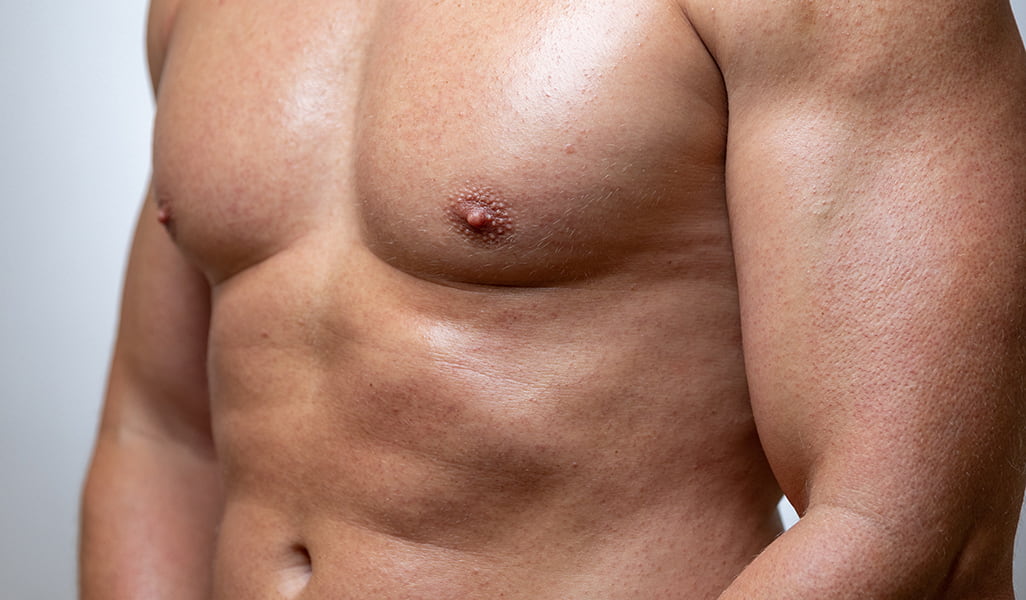
Actual Patient
The GLP-1 Male Makeover
Losing weight can improve a man's health and daily life, but it doesn’t always lead to the body shape he hoped for.
After losing a lot of weight, the chest might still stick out. Loose skin can hang over the stomach, and stubborn fat can affect the shape between the chest and waist. The face may look hollow even if the body feels healthier. Getting to your goal weight can bring up new concerns.
Plastic surgery after GLP-1 weight loss is now a bigger topic for men. Treatments can include gynecomastia surgery, liposuction, skin removal, tummy tucks, fat transfer, or facial procedures. There is no one-size-fits-all solution. A board-certified plastic surgeon will figure out if your concerns are due to fat, glandular tissue, extra skin, muscle structure, or volume loss.
At Optimization Centre in Boca Raton, Dr. Gregory Albert looks at all these areas together, focusing on your anatomy, scars, health, and recovery needs.
What Happens to the Male Body After GLP-1 Weight Loss?
GLP-1 medications can help you lose a lot of weight, but you can’t control where the weight comes off. Age, genetics, changes in weight, muscle mass, and how quickly you lose weight all play a role in your results.
Losing weight quickly can make loose skin more noticeable. As you get older, your skin's collagen and elastin become less flexible. If your skin cannot tighten up, you may have extra skin after losing fat.
Men might see loose or sagging skin on the chest, stomach, upper arms, thighs, face, or neck. Some men still have stubborn fat even after reaching a steady weight. These changes can also happen after bariatric surgery, gastric bypass, diet, exercise, or other medical weight loss methods.
The American Society of Plastic Surgeons has talked about how GLP-1 weight loss is changing male plastic surgery. More men are interested in gynecomastia correction, liposuction, combined procedures, and better body contouring.
Why Do I Still Have Chest Fat After Losing Weight?
A full chest after weight loss isn’t always just fat. It can be leftover fat, firm glandular tissue, loose skin, or a mix of these.
True gynecomastia involves enlarged glandular breast tissue and may be associated with hormones, medications, age, health conditions, or anabolic steroids. GLP-1 medications should not be described as a direct cause. Weight loss can make existing glandular tissue more obvious as surrounding fat decreases.
Leftover fat usually feels soft, while glandular tissue feels firmer under the nipple. If you have a lot of loose skin, your nipple may sit lower or your chest may look folded and flat.
A doctor can examine you to tell which tissues are causing the problem and decide if you need liposuction, gland removal, skin removal, or just more time for your body to adjust.
Is It Gynecomastia, Chest Fat, or Loose Skin?
Each chest issue needs a different surgical approach.
- Mostly fat: Liposuction may reduce fullness and blend the chest into the surrounding torso when skin quality is strong.
- Mostly gland: Direct excision may be needed because dense glandular tissue does not respond to weight loss or liposuction.
- Mostly loose skin: Skin excision may be required when the chest envelope hangs or the nipple sits too low.
- Several factors: Many patients need a combination of liposuction, gland excision, and selective skin removal.
Taking out too much fat under loose skin can make the sagging worse. If gland tissue is removed without shaping the nearby fat, it can leave a visible line between the chest and torso.
How Is Gynecomastia Treated After Weight Loss?
Gynecomastia surgery reshapes the male chest by reducing the tissues responsible for excess projection. The procedure may use liposuction, direct gland excision, skin removal, or a combination.
Limited skin laxity may allow smaller access points. Major weight loss can require longer incisions to remove excess skin and reposition tissue. A descended nipple or areola may also need repositioning.
A shorter scar might not fix a sagging chest, but a longer cut can create a flatter shape. Dr. Albert will talk with you about this tradeoff before surgery.
Can Plastic Surgery Create a More Defined Male Chest?
Plastic surgery can shape the area around your chest muscles, but it can’t build muscle. Chest contouring can reveal muscle definition you already have or add shape to a flat upper chest.
Selective liposuction can define the pectoral borders. Fat transfer may add targeted volume, although some transferred fat will not survive. Pectoral augmentation uses an implant beneath the pectoralis muscle to increase projection.
The best choice depends on your rib cage, muscle development, skin quality, any unevenness, and what results you want. Most people don’t need every procedure.
How Do You Get Rid of Loose Stomach Skin After Weight Loss?
Exercise can make your stomach muscles stronger, but it cannot get rid of extra skin. If the problem is just a fold of skin below the belly, a tummy tuck can remove it and tighten the abdominal wall if needed.
Massive weight loss can leave laxity extending around the hips, flanks, buttocks, and outer thighs. A lower body lift treats a broader portion of the torso. A circumferential lower body lift extends around the waist to remove excess skin and lift several adjoining regions.
An arm lift or thigh lift can remove loose skin from your upper arms or thighs. These surgeries need longer cuts than liposuction, so you should think about the scars and recovery time.
Is Liposuction or Skin Removal Better After Weight Loss?
Liposuction removes stubborn fat, while skin removal gets rid of loose skin. The right choice depends on what is causing the shape issue.
A patient near goal weight with localized fat and good elasticity may be a candidate for liposuction. Hanging abdominal skin may require a tummy tuck or body lift. When both are present, body contouring surgery may combine fat removal with excision.
Nonsurgical treatments or laser therapy can help a little with mild loose skin, but they cannot tighten skin as much as surgery can. Planning starts with how much correction you need.
What Is Ozempic Face in Men?
“Ozempic face” is informal search language for facial changes noticed after weight loss. It is not a medical diagnosis and is not exclusive to one medication.
Men might notice their cheeks or temples look thinner, deeper lines, a softer jawline, or loose skin on the neck. The right treatment depends on whether you have lost volume or have loose skin.
Dermal fillers can add volume to certain areas. Facial fat transfer uses your own fat to treat more widespread volume loss. If loose skin and sagging are the main issues, a facelift or neck lift may work better. Just adding volume won’t fix major loose skin.
Can Gynecomastia Surgery and Liposuction Be Combined?
Yes. Gynecomastia surgery and liposuction are often combined when the chest contains both glandular tissue and excess fat. Liposuction may also extend into the abdomen or flanks to create a more continuous transition across the torso.
Other body contouring surgeries can be done together if recovery is manageable. If a lot of skin needs to be removed or you want to treat several areas, your surgeon might suggest doing the procedures in stages.
The safest plan looks at surgery time, blood loss, anesthesia, healing, how you move, support at home, and your personal risks. Conditions like heart disease, diabetes, smoking, poor nutrition, or past problems can affect if it is safe to combine surgeries. Your safety is always the top priority, even if it means not doing everything at once.
How Long Should I Wait for Plastic Surgery After GLP-1 Weight Loss?
You should be close to your goal weight and keeping your weight steady before having body contouring surgery. If your weight keeps changing, it can affect your skin and change the results planned for your earlier body shape.
The timing of surgery also depends on your nutrition, skin health, medical history, and how big the surgery will be. Your primary care doctor or prescribing provider may need to help you get ready before cosmetic surgery.
Patients taking GLP-1 medications must tell the surgeon and anesthesia team. These medicines can delay gastric emptying, which means stomach contents may remain longer in the digestive system and affect anesthesia planning. Instructions about holding medication in the weeks prior to surgery vary according to the drug, dose, symptoms, procedure, and current clinical guidance. Never stop a prescribed medication without direction from the appropriate medical professionals.
What Procedures Are Included in a Male Makeover After Weight Loss?
A GLP-1 male makeover can include different procedures based on your top concerns. Options might be gynecomastia correction, liposuction, tummy tuck, lower body lift, arm lift, thigh lift, fat transfer, or facial rejuvenation.
There is no single set of treatments for everyone. One man might need chest surgery and a little liposuction on the torso. Another might need skin removal in several areas after major weight loss. Someone else may do best by waiting, getting stronger, and letting his weight settle first.
Recovery is also an important part of the plan. Skin removal surgery can keep you from heavy exercise or lifting for several weeks. You should think about your job, travel, caregiving, and help at home. Sometimes, doing the surgeries in stages leads to a safer recovery and better results.
Male Body Contouring After Weight Loss in Boca Raton
At Optimization Centre, Dr. Gregory Albert looks at your chest, stomach, sides, skin quality, muscle structure, and facial volume as parts of one big transformation. This helps decide which issues might get better on their own and which need surgery.
If you have gynecomastia, stubborn fat, extra skin, or facial volume loss after GLP-1 weight loss, book a private consultation in Boca Raton. Your treatment plan will be based on your body, health, stable weight, recovery needs, and the shape you want to keep long term.

